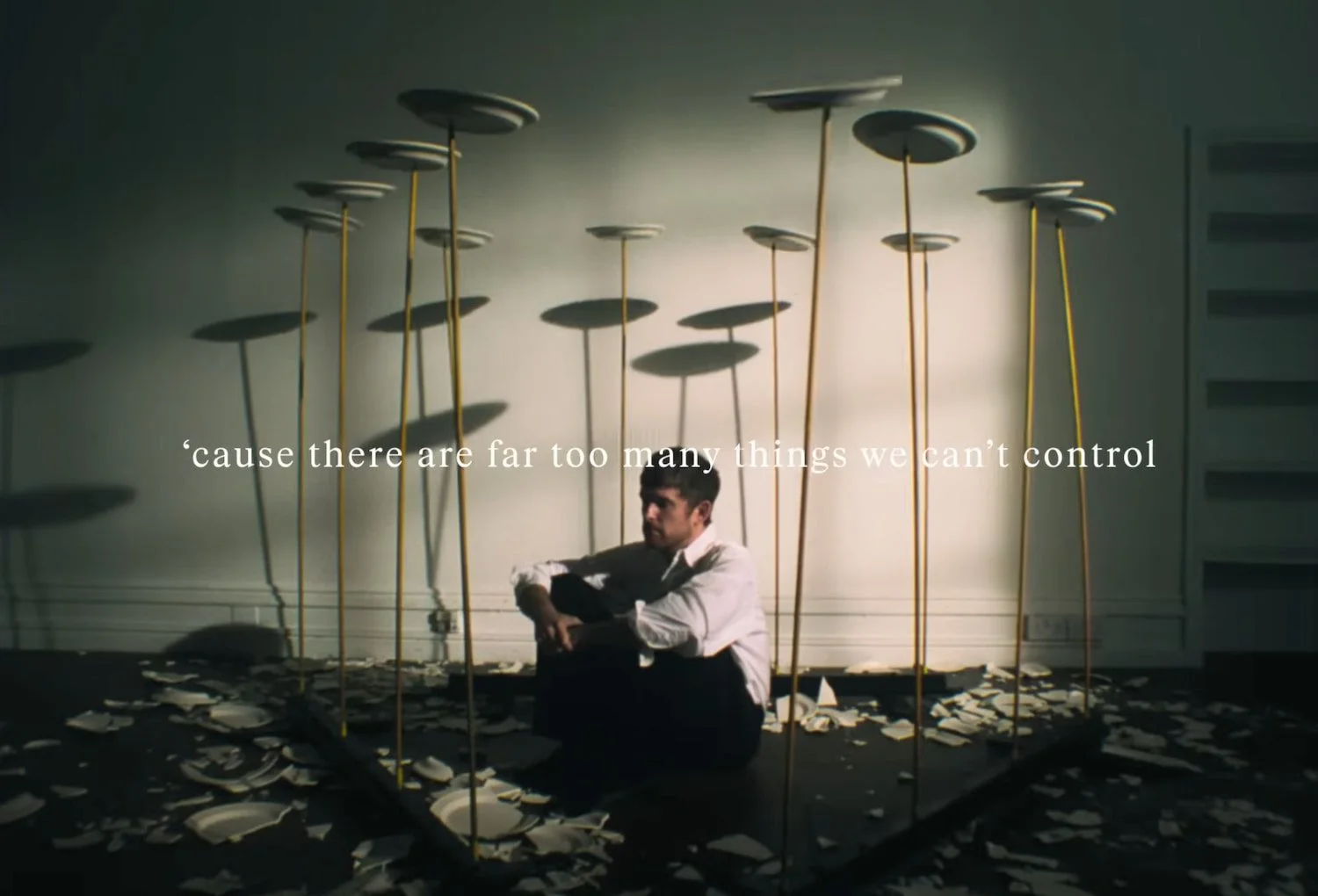
The two most valuable skills to work on if you want real change: getting back on the horse and doing nothing.
Getting back on the horse: the most valuable skill to work on.
Right after writing the article “Mastering dopamine and seasonal productivity to embrace winter”, I actually had a severe dopamine chasing crisis. Like if writing about it had given me the strength to resist and suddenly, for some days, I had lost that capacity.
I must admit I hadn’t written something that long in years, and seeing how it goes against all today’s marketing advices (make it short, create attractive titles, etc…), I was certain it wouldn’t be much red.
At the same time, I finished a contract at a childhood dream job that gave me meaningful human connection during hard days, so I assume altogether it overwhelmed me.
But something happened: I felt like this time I had the tools to “get back on the horse”, quite easily.
In Spanish, we say “touching rock bottom” as “estar en el pozo”—to be in the well. My friends and I joke that we’ve hit rock bottom so often that we’ve started decorating the well, just to make the darkness a little more bearable. A space to remember that it won’t last forever.
I feel like all those smooth dopamine healthy habits have helped me build a fragile ladder to get out safely and that every time I use it, it gets stronger.
Anyway, I am back and convinced that the most valuable skill to work on is not to stay in a perfect emotional state but the actual art of getting back on the horse.
How “doing nothing” can change you for real
The weird “doing nothing” trend
This is supposed to calm the nervous system and reset our attention span, but does it work when you turn it into a piece of content? How bad is it when we find that the only way to pause and do nothing is by making our audience aware of it?
Independently from this weird trend that will surely disappear soon, I gave this tip in my last article: nothing works better to get yourself to do something than first forcing yourself to do nothing. But for real: no phone, no pen and paper, nothing to observe, just absolute boredom with yourself. Your body and mind will then take any following activity as a possible source of dopamine, give it a try!
So it may be helpful knowing our generation is hooked on constant stimulation. If the same source is encouraging us to slow down, I am taking it. I would be curious to know if people actually try it or just think “omg so brave” then quickly scroll away.
I used this technique myself in a productive way, but the book I have red this month made me want to try a deep further.
A book to read: “Breathe: strategizing energy in the age of burn out” by Dr Ela Manga
Ela Manga is a medical doctor and breathwork practitioner. Her healing techniques focus on stress management, energy recovery through mind-body techniques, rest, and self-care.
Her book didn’t attract me at first since it seemed like an overdone topic. I picked it to help with my research about the effects of technology on our anxiety. But it was so clearly written that I felt like I had to read it entirely.
I didn’t regret.
She uses real life examples in which you may find a bit of yourself (I did In several of them which I don’t know if it is good or bad 😅). Of course they all avoid or recover from burn out and when you read it seems so easy! I think it’s the format: long paragraphs for the problem, short ones for solutions and progress.
Still this book has helped me in several ways:
It made me aware of how poorly I breathe (basically the bare minimum), how to notice it, fix it and see clear results in a very short time.
It made me try to “do nothing” for real: alone, on a daily basis for at least 5 minutes, and see how quickly my body and mind were asking for it more often.
From doing nothing to deep listening
It all started when I decided to try driving without a podcast or music. It felt scary! At first, I felt like I was stuck in a self-made prison I just wanted to escape. At some point, you start talking to yourself and it feels good. Only after a few long trips, you accept not talking and think the less possible. It’s a real practice! But also a kind of rest. Like the pleasure of turning a noisy fan off.
After reading the book, I decided to end my yoga sessions with 10 minutes of nothing.
The thing is: before, I used to end eac session with the extended child’s pose where I kind of talk to my inner child. This way, I make sure I keep a regular meetings with my little self to check everything is ok.
After some days, maybe because of the closeness of both activities, I suddenly felt like there was space to listen to my body or my inner child.
Suddenly I was not filling my mind and time with anything, just accepting my thoughts, silence, boredom, body pain and tiredness.
It may sound weird to you, but it seemed to be the first time I really heard my inner child. It made me cry so hard, it was very intense.
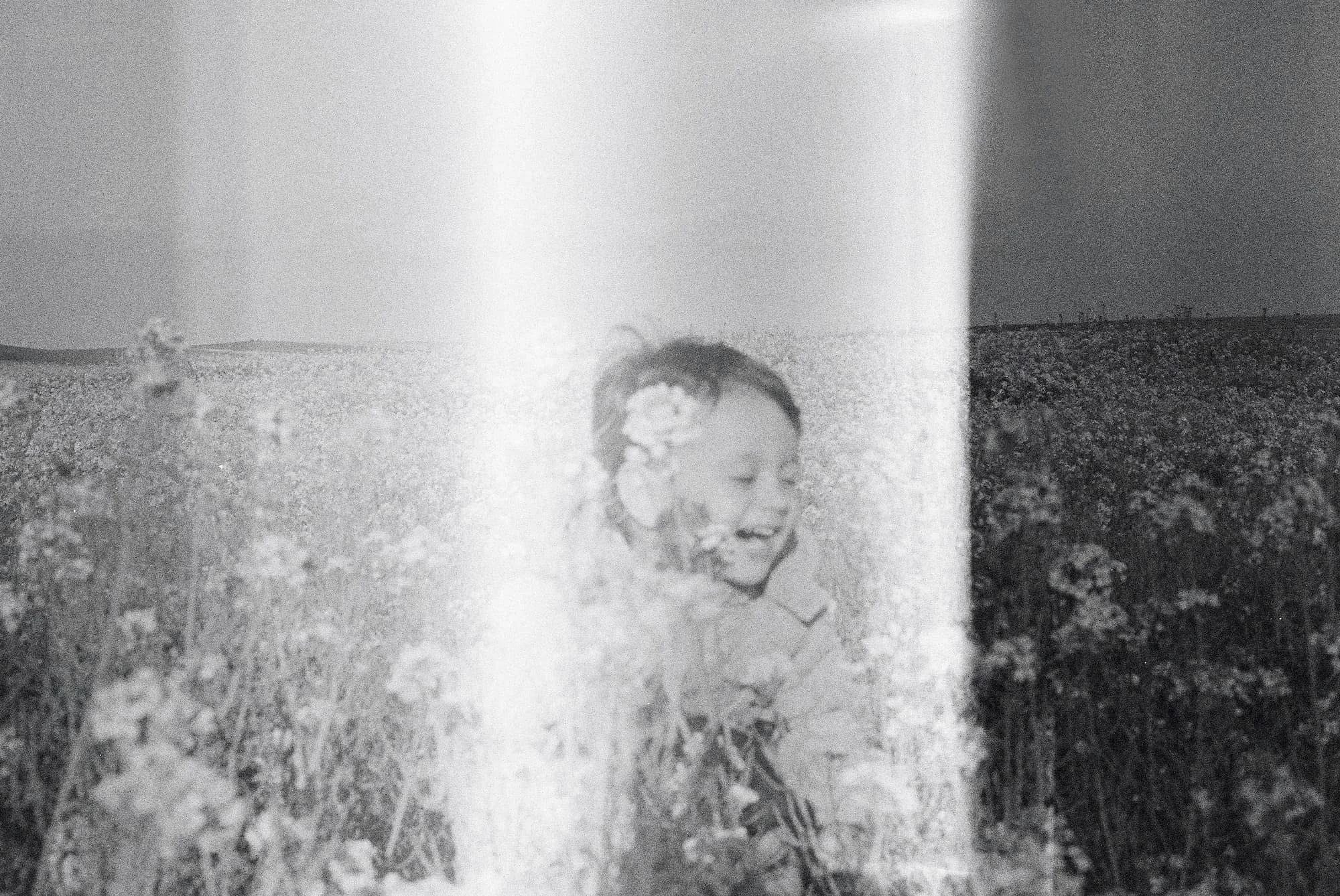
I felt something terrible. Imagine you have a little girl and instead of spending time with her playing, reading her stories, wandering around, showing here beauty or listening to her basically, you had been staring at your phone, overworking, worrying about the future, overlooking and planning your days, obsessed with keeping everything under control… Everything but listening to her.
Instantly, while crying, I told her I was sorry. I genuinely thanked her. I held her very strong and promised I would be here now. That she could trust me.
This is very personal but I am amazed by how a simple book can affect and create that kind of moments in us.
Or maybe it just came from the act and decision of doing nothing. That’s what my exercise will be about this month.
An exercise: “Just do nothing”
Very simple:
Sit down
Set a timer and do nothing for 5 minutes.
Focus on your breathe but don’t try to modify it. Use it as a focus point to come back every time you get caught by your own thoughts. Try to come back at every exhale or every inspiration.
Don’t judge, just accept the silence, the possible pain in your body, the worries. Accept everything.
If it helps you, you can repeat: “I accept this moment as it is”.
You’ll be surprised how fast time passes. Do it every day and let me know how it makes you feel. It has become necessary to me in less than 1 week.
As you can see, it’s been an intense month, full of worries and changes truly eye opening.
I hope this experience finds you well, makes you want to explore your inner world and make time for your real life.
If doing nothing is too hard for you, here is something to think about while you drive or walk in silence:
What if success was measured by how much peace people feel around you.
My little goodbye gift
Here is the most powerful gentle dopamine booster I have found this month: the song “Trying times” by James Blake. When I discovered it, it felt like my cells were hugging me from the inside. Weird to explain but it works every time.
Hope it will move you too.